

How to Measure PD (Pupillary Distance) at Home: Accurate Guide for Online Glasses
In this step-by-step guide, we’ll show you 3 reliable methods to measure PD at home, share pro tips for precision, explain the difference between single PD and dual PD, and help you use your PD to order perfect-fitting glasses from our site.
What Is Pupillary Distance (PD)?
Pupillary distance is the distance (measured in millimeters) between the centers of your two pupils. It tells our lab exactly where to position the optical center of your lenses for clear, comfortable vision.
- Average adult PD: 54–74 mm
- Teen/kid PD: 43–54 mm
- Single PD (binocular): One number for both eyes (most common for single-vision lenses)
- Dual PD (monocular): Separate left/right measurements (required for progressive lenses & high prescriptions)
Getting PD right matters for prescription accuracy, lens performance, and all-day comfort.
What You Need to Measure PD at Home
- A millimeter ruler (metric only—no inches!)
- A mirror or a helper
- Soft, even lighting
- A phone (optional, for photo method)
Avoid sunglasses, blue light glasses, or tilted screens while measuring—they can throw off your reading.
Method 1: Measure PD Alone with a Mirror (Fastest)
Best for quick, solo measurements.
- Stand 8–12 inches (20–30 cm) from a well-lit mirror. Keep your head straight, eyes relaxed, and look directly at your reflection.
- Hold the ruler horizontally against your browbone, steady and level.
- Close your right eye. Align the 0 mm mark with the center of your left pupil.
- Without moving the ruler or your head, close your left eye and open your right. Read the mm line at the center of your right pupil.
- Repeat 2–3 times. Use the average for your final PD.
Pro tip: Freeze your gaze to avoid shifting—small movements create big errors.
Method 2: Measure PD with a Friend (Most Accurate)
A second person eliminates parallax error—ideal for precision.
- Stand or sit facing each other, 12–18 inches apart. Look straight ahead at your helper’s forehead (not their eyes).
- Your helper holds the ruler level just above your eyes.
- They align 0 mm with the center of your left pupil, then read the number at your right pupil center.
- Repeat 2–3 times and average the results.
This method is strongly recommended for progressives and high prescriptions.
Method 3: Photo PD Measurement (Phone + Reference Card)
Great for selfies or sending to our support team for verification.
- Remove glasses. Stand straight, look at the camera.
- Have someone take a front-facing photo at eye level, 12–16 inches away.
- Hold a standard card (credit card, ID: 85.6 mm wide) under your nose for scale.
- Open the photo on a screen. Use the card to calibrate, then measure pupil-to-pupil distance.
Single PD vs. Dual PD: Which Do You Need?
- Single PD: One number (e.g., 62 mm). Works for most single-vision, blue light, and reading glasses.
- Dual PD: Two numbers (left eye / right eye, e.g., 31 / 31). Mandatory for progressive/multifocal lenses and prescriptions over ±4.00.
If you order progressives, we’ll also ask for your pupil height (PH).
Top 6 Tips for Accurate PD Measurement
- Use millimeters only—centimeters or inches cause errors.
- Keep your head level (no tilting up/down/sideways).
- Measure in bright, soft light to clearly see pupil centers.
- Don’t squint or strain your eyes—relax for natural pupil position.
- Repeat 2–3 times; if numbers differ by >2 mm, measure again.
- For progressives: always use dual PD (not single PD).
Final Thoughts
Measuring PD at home is simple, fast, and reliable when you follow these steps. Accurate PD = clear vision, all-day comfort, and glasses you love wearing.
Ready to Order?
You Might Also Like
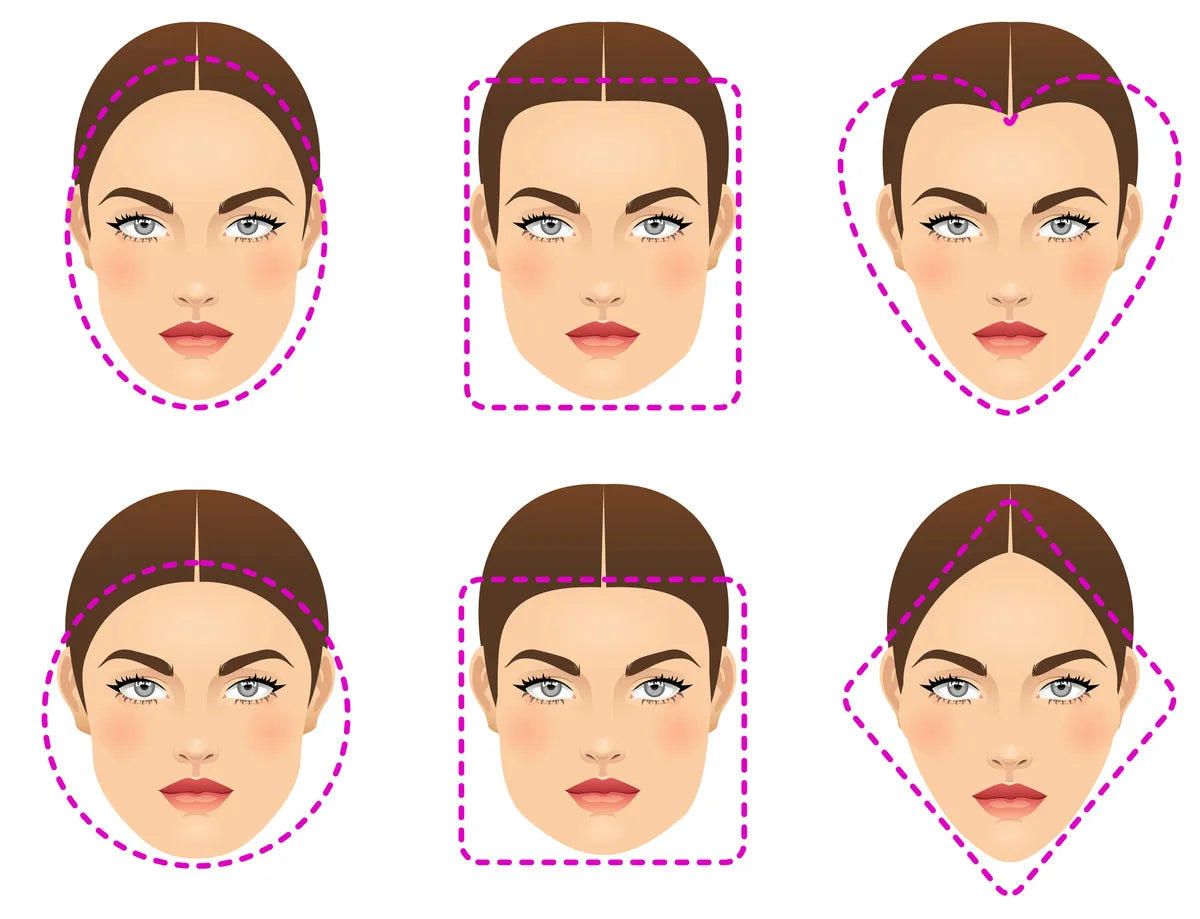
How to Choose the Right Glasses for Your Face Shape: The Ultimate Guide (2026)
How do I choose the right glasses for my face shape? A pair that looks amazing on your friend might...
Blue Light Glasses: Do They Actually Work? (2026 Guide)
In this evidence-based guide, we’ll break down the truth about blue light glasses, their real benefits, who should wear them,...

How to Read Your Eyeglass Prescription | Step-by-Step Guide
Introduction Understanding your prescription is the first step to getting the perfect pair of glasses online. A prescription is a...